Once you’ve acquired the Seamoth, a run to the Floating Island should be your first road trip as it is key to unlocking your ability to farm your own food, which also helps reduce your need to drink bottled water.
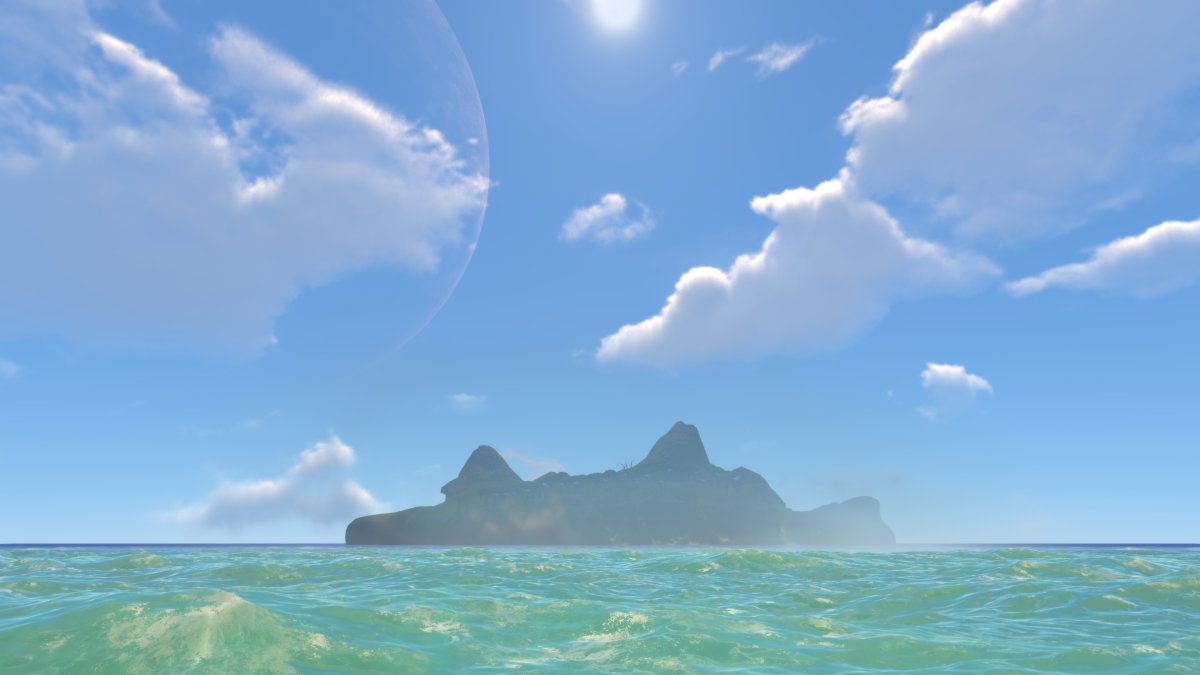
Once you’ve acquired the Seamoth, a run to the Floating Island should be your first road trip as it is key to unlocking your ability to farm your own food, which also helps reduce your need to drink bottled water.
This tutorial picks up where the early game tutorial ends – right after acquisition of the Seamoth. Early game was mostly focused on close-range exploration, getting basic tools built and basic survival needs met.
Mid-game, enabled by the use of an underwater vehicle, will involve deeper exploration, longer missions away from home, further automation of survival needs, acquisition of more advanced blueprints, and development of the story line.
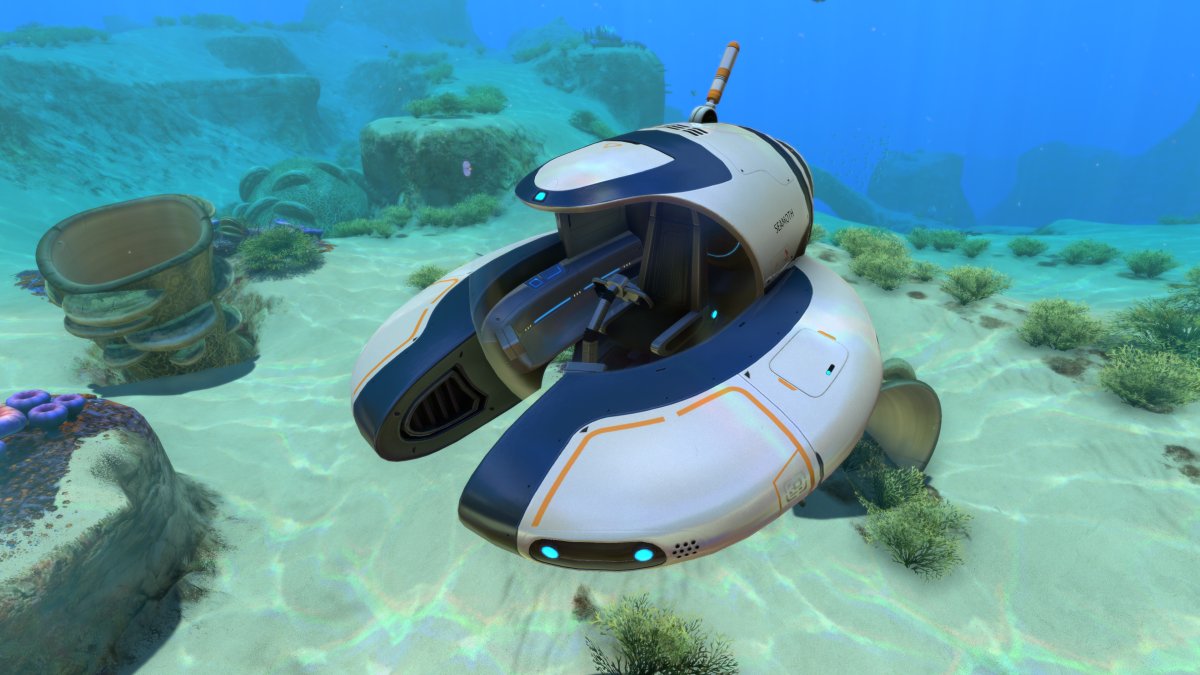
The Seamoth submersible vehicle is one of the most game-changing items that can be acquired in Subnautica. It allows the player to quickly reach and return from distant parts of the map, and to explore deep underwater without ever worrying about running out of O2.
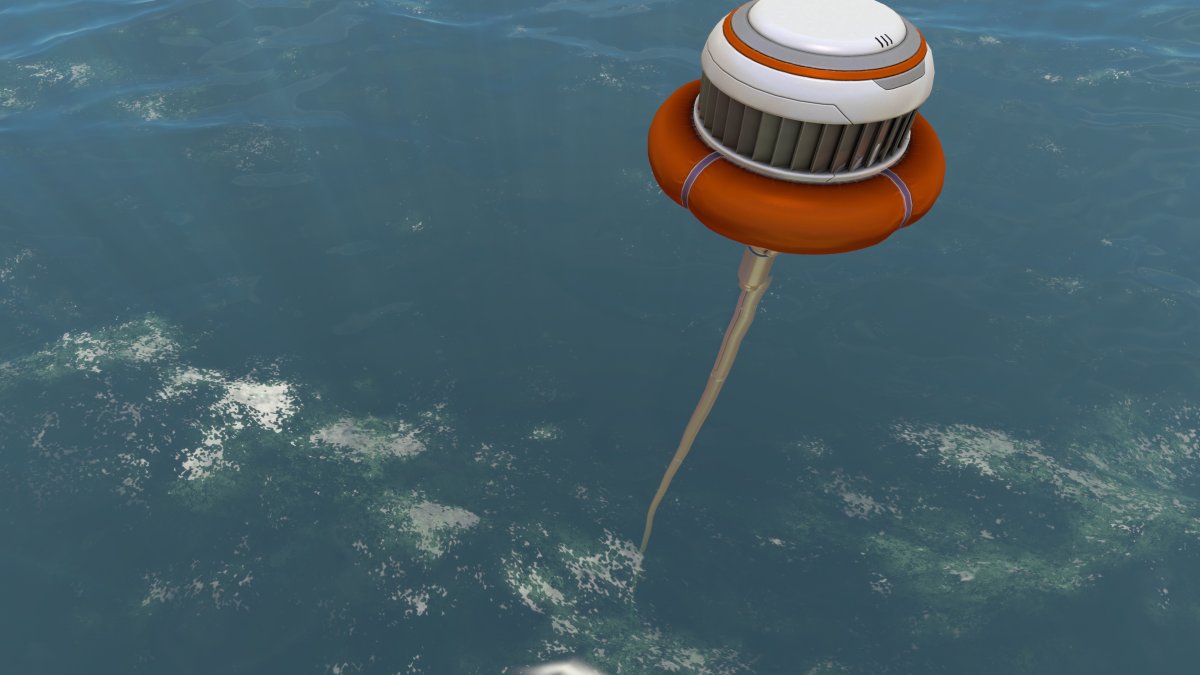
Exploring the Grassy Plateaus presents some new challenges because of the depth of the seabed. The Floating Air Pump and Pipes can be very helpful in this early stage of the game where you don’t yet have more convenient options for refilling your O2 tank while deep underwater.
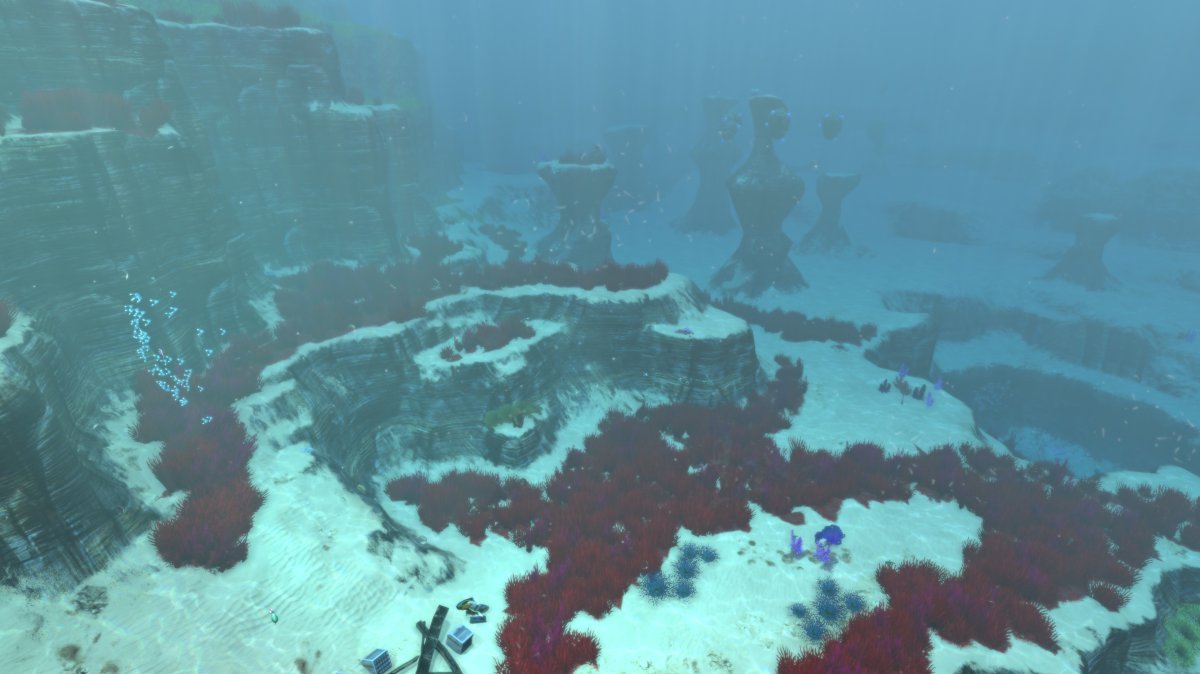
Up to this point in the tutorial, everything that’s been covered can be accomplished within a 300 meter radius of your Lifepod. During this early game exploration we’ve come across the first two biomes of Subnautica: The Safe Shallows and The Creepvine Forest. In this chapter we’ll look at your journey beyond the 300m zone into the next biome: The Grassy Plateaus.
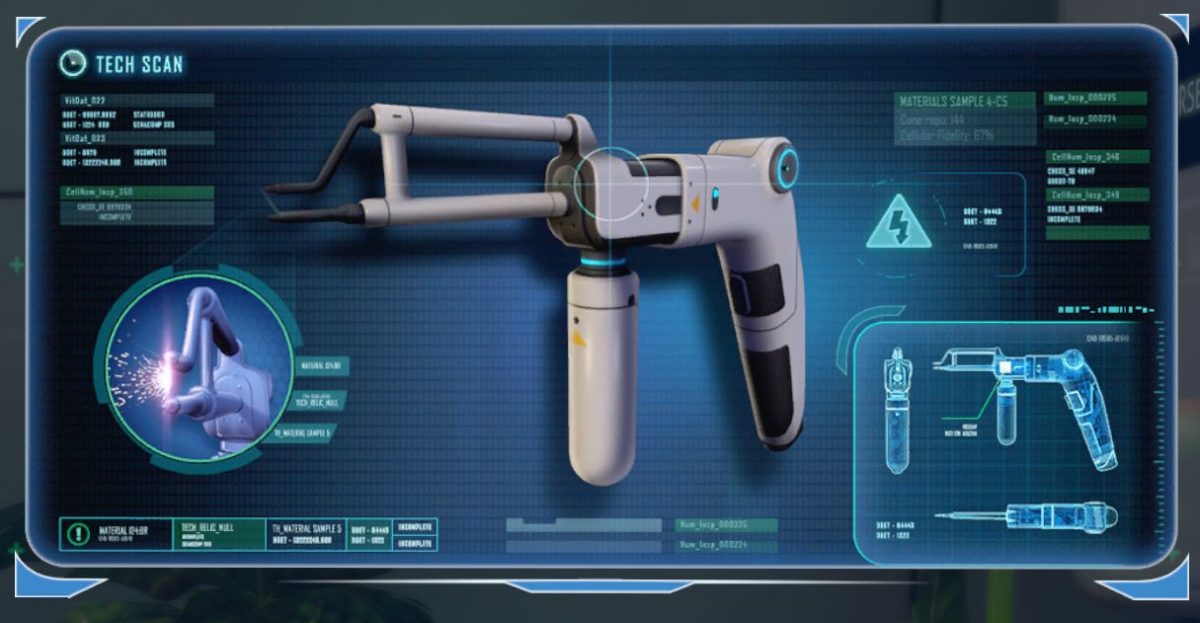
The Repair Tool and Radiation Suit are two items that I’ve deliberately put off until later in the tutorial, despite being somewhat early-game items in terms of the materials needed in order to fabricate them.
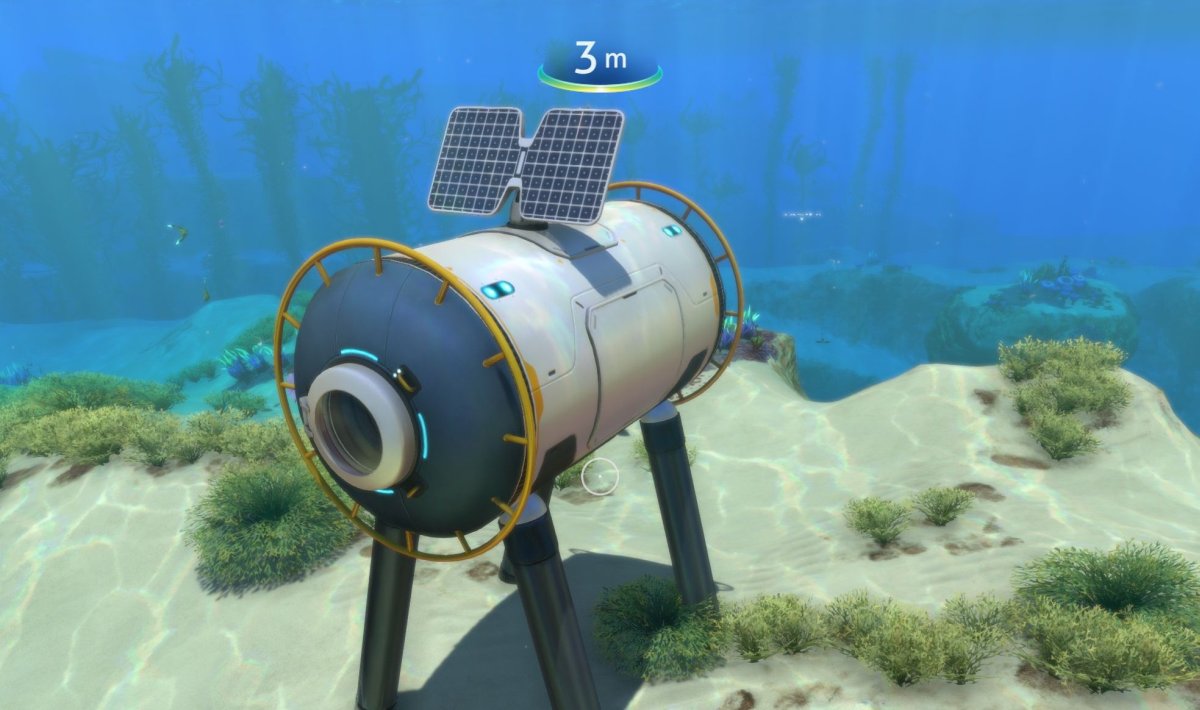
Once you’ve finished crafting your Habitat Builder, you can use it to start building your first Sea Base.
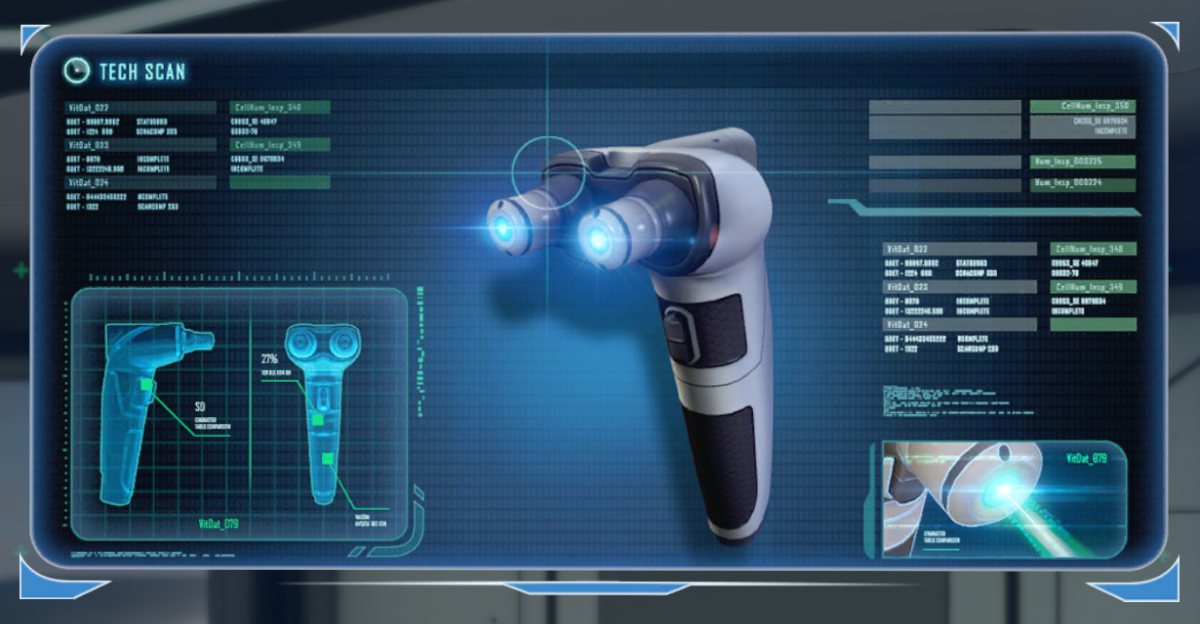
Seabases are constructed, and de-constructed, exclusively with the use of a handheld tool called the Habitat Builder. Compared to other items you’ve built up to this point, the Habitat Builder is fairly expensive and complicated to build, involving multiple layers of intermediary products that you’ll have to fabricate. Fortunately, you should only have to build it once.
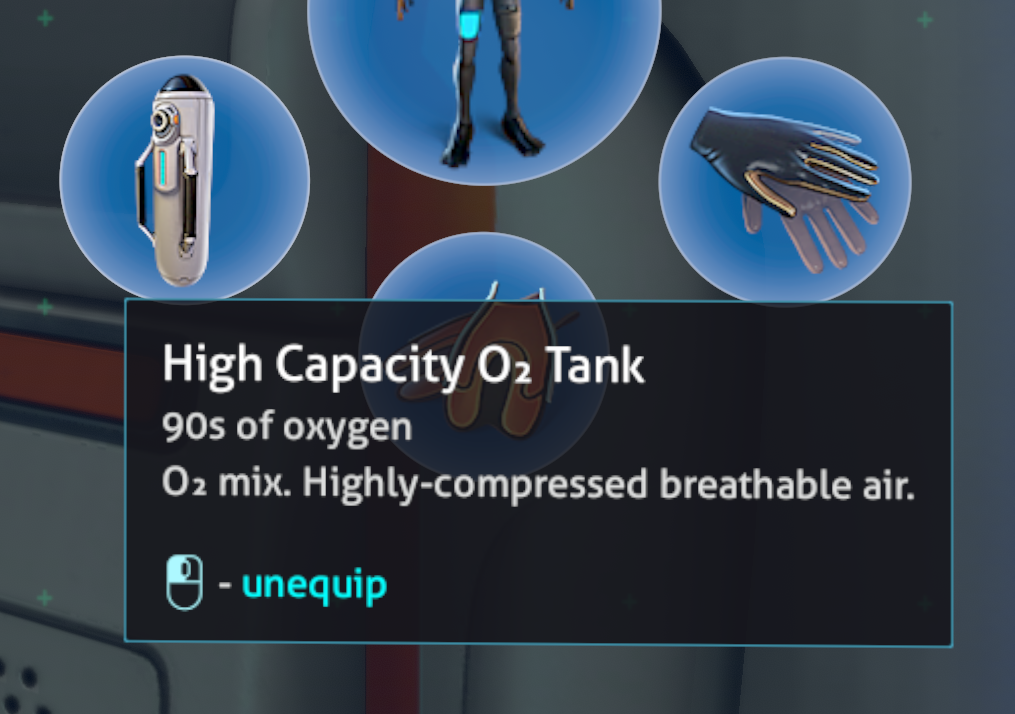
By this point you may have already noticed a couple of kinds resource deposits that haven’t yet been discussed: Salt Deposits and Sandstone Outcrops. These two new types of resource are key to upgrading your H2O supply and O2 tank capacity.
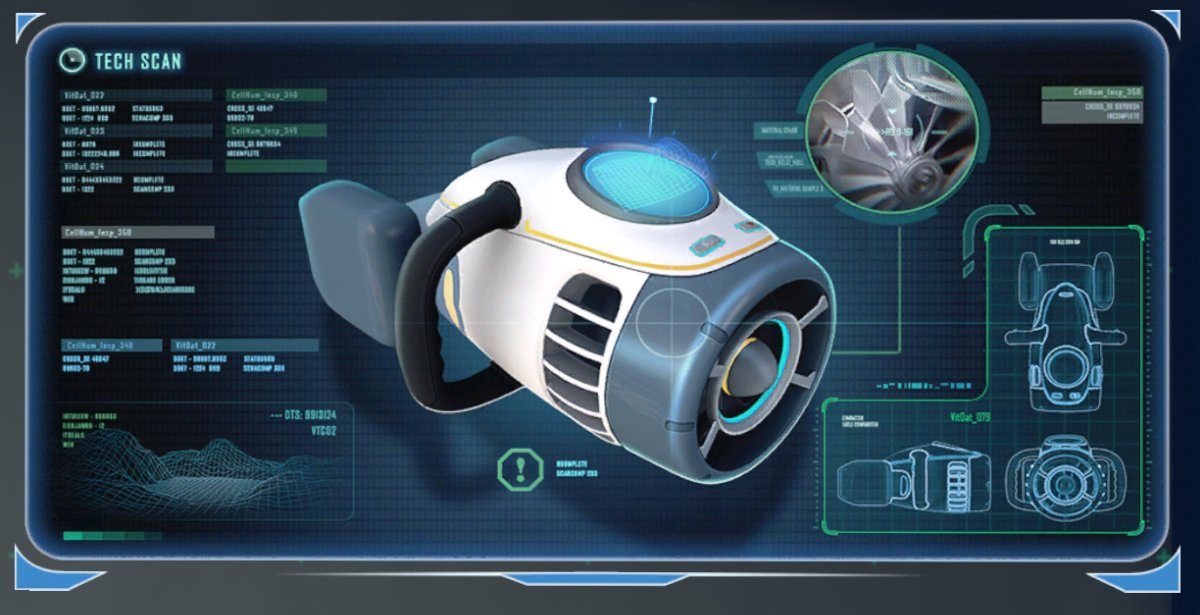
The Seaglide and Grav Trap are two tools that greatly enhance your ability to progress forward, but you won’t have the blueprints for them at the start of the game.